
Blog
Incorporating Perennials in Your March Garden Planning
Mar
As we eagerly await the arrival of spring at Donaldson’s Greenhouse and Nursery, we understand the excitement and anticipation that comes with planning your garden for the upcoming season. March is the perfect time to start thinking about how to bring life and color back into your landscape, and incorporating perennials is an excellent strategy to ensure a vibrant and dynamic garden year after year. Let’s dive into how you can enrich your garden with the beauty of perennials, focusing on some of our favorites: Hellebores, Phlox, Dicentra, and Forget Me Nots.
Why Choose Perennials?
Perennials are the gift that keeps on giving in the gardening world. Unlike annuals, which complete their life cycle in just one year, perennials return to grace your garden with their presence year after year. This longevity not only makes them a cost-effective choice but also allows your garden to evolve and mature over time, developing into a lush and cohesive ecosystem that supports local wildlife.
Star Perennials for Your March Garden
Hellebores: Often referred to as the Lenten rose, Hellebores are one of the earliest bloomers in the garden. Their exquisite, rose-like blossoms come in a range of colors from pure white to deep burgundy, and they’re remarkably resilient against late winter frosts. Planting Hellebores in a partially shaded area will reward you with a striking display when most other plants are still waking up from winter.
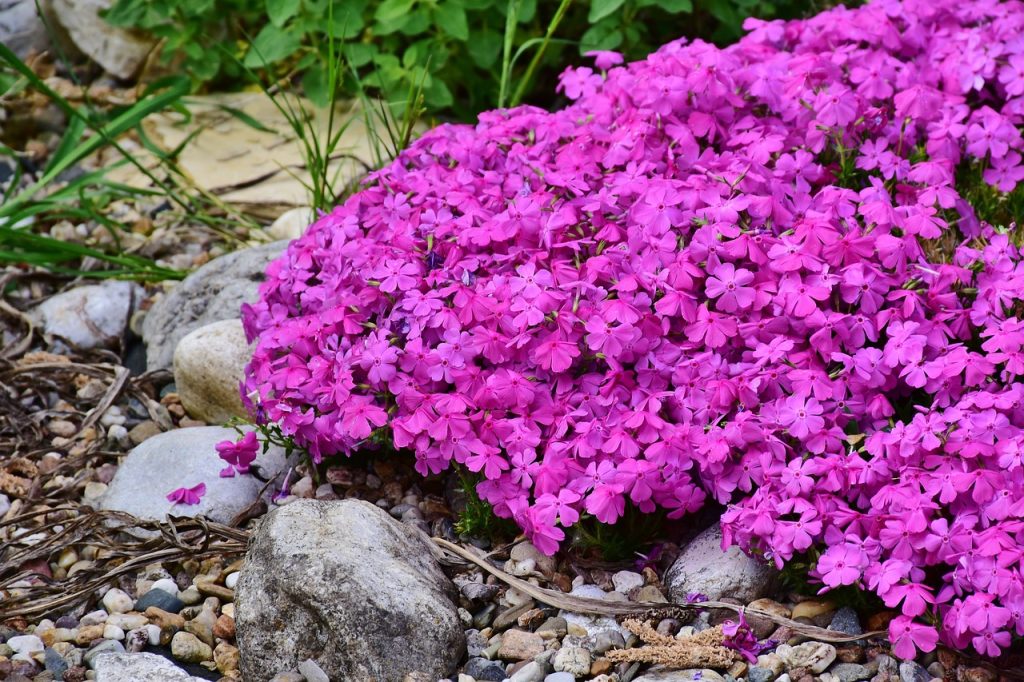
Phlox: With its vibrant star-shaped flowers, Phlox is a beacon of color and fragrance. Ideal for borders or as ground cover, Phlox thrives in sunny locations with well-drained soil. An early to late spring bloomer, Phlox sets the tone for the rest of the gardening season with its cheerful demeanor.
Dicentra: Known for its heart-shaped flowers, Dicentra, or bleeding heart, is a must-have for adding a touch of whimsy and elegance to shaded garden spots. Its fern-like foliage and arching stems make it a captivating sight, especially in woodland gardens or shady borders.
Forget Me Nots: These delicate blue flowers with their bright yellow centers are emblematic of spring. Forget Me Nots are excellent for filling gaps in the garden or for creating a serene blue carpet under taller plants. They prefer moist soil and partial shade, making them perfect companions for both Hellebores and Dicentra.
Best Practices for Planting Perennials
When incorporating these perennials into your garden, it’s essential to give them the best possible start:
- Soil Preparation: Begin by preparing your planting area with rich, well-draining soil. Amend the soil with compost to improve its structure and fertility.
- Use Espoma Bio-tone Starter Plus: We highly recommend using Espoma Bio-tone Starter Plus when planting. This all-natural plant food is enhanced with beneficial microbes to ensure healthy root development and robust plant growth from the outset.
- Watering: After planting, water your perennials well to settle the soil around the roots and to eliminate any air pockets. Consistent moisture is key, especially during the first growing season as they establish themselves.
- Mulching: Apply a 2-3 inch layer of mulch around your perennials to help retain soil moisture, regulate soil temperature, and reduce weed competition. Organic mulches, such as shredded bark or leaf mold, also contribute to soil health as they decompose.
Incorporating perennials into your March garden planning is a fantastic way to create a garden that grows in beauty and vitality with each passing year. By choosing resilient and enchanting varieties like Hellebores, Phlox, Dicentra, and Forget Me Nots, and by following best planting practices, you’re setting the stage for a thriving, blossoming garden that you and your local wildlife can enjoy throughout the seasons. At Donaldson’s Greenhouse and Nursery, we’re here to support your gardening journey with expert advice and the highest quality plants. Happy gardening!
