
Blog
Fall Gardening for Wildlife
Oct
Fall is a great time to make a few small changes that can have a big impact on the wildlife visiting your garden. As flowers fade and temperatures cool, birds, pollinators and beneficial insects begin relying more heavily on the food and shelter available in the landscape.
At Donaldson’s Greenhouse & Nursery in Hackettstown, NJ, a more natural approach to fall cleanup can help support wildlife while keeping your garden looking beautiful.
Leave Some Seed Heads Standing
Not every perennial needs to be cut back in fall.
Seed heads from plants such as coneflowers and other flowering perennials can provide food for birds during the colder months. Leaving some stems and dried flowers in place also adds texture and structure to the winter garden.
Give Pollinators a Place to Overwinter
Many beneficial insects spend the winter tucked into plant stems, leaf litter and other protected areas.
Leaving some healthy stems standing and avoiding an overly aggressive fall cleanup can help preserve those natural hiding places.
You do not have to leave the entire garden untouched. Even a few less-manicured areas can provide useful habitat.
Use Fallen Leaves Wisely
Fallen leaves can be valuable in the garden.
A light layer of leaves in beds or naturalized areas can provide shelter for insects and other small wildlife while gradually breaking down and adding organic matter to the soil.
Avoid allowing thick, matted layers to build up on lawns or over smaller plants where they could cause problems.
Add Plants That Offer Food and Shelter
A wildlife-friendly landscape benefits from a mix of plant types.
Consider adding:
- Native perennials
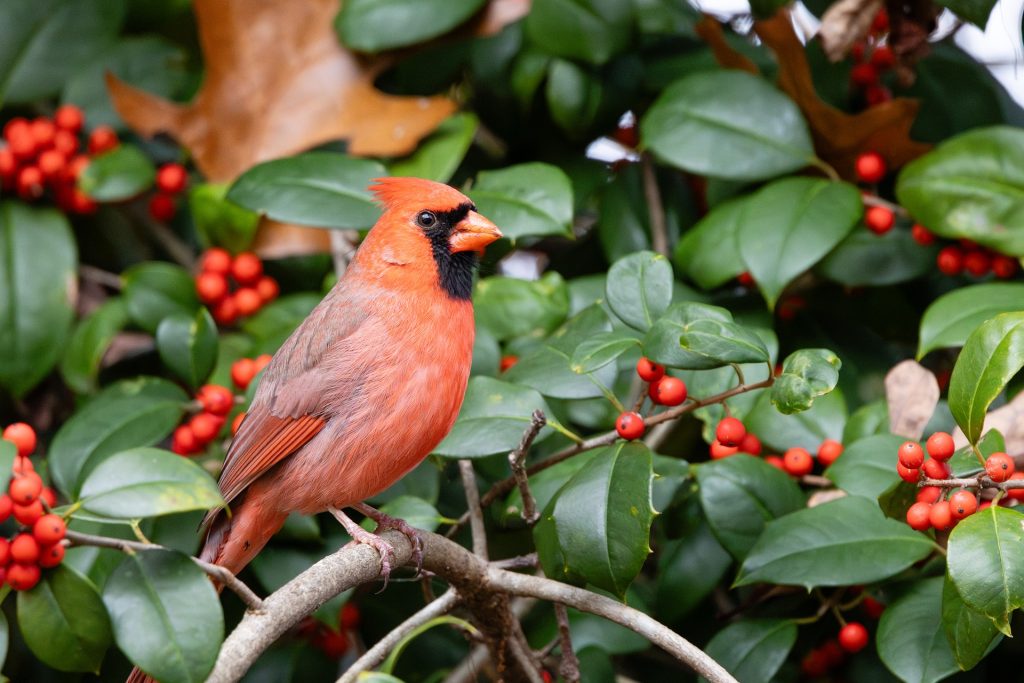
- Berry-producing shrubs
- Evergreens
- Ornamental grasses
- Seed-producing flowers
Evergreens and dense shrubs can provide cover, while berries and seeds may offer food through fall and winter.
Keep Water Available When Possible
Wildlife needs water throughout the year.
If you use birdbaths or shallow water sources, keep them clean and refreshed. As temperatures drop, be mindful of freezing conditions and adjust as needed.
Make Fall Cleanup More Selective
Wildlife-friendly gardening does not mean ignoring cleanup entirely.
Diseased, damaged or pest-infested plant material should still be removed. Walkways and lawns may also need regular clearing.
The goal is balance: clean up where necessary, but leave some natural materials in place where they can benefit the garden ecosystem.
Fall Gardening for Wildlife FAQs
Should I leave perennials standing through winter?
Many healthy perennials can remain standing and may provide food, shelter and winter interest.
Are fallen leaves good for wildlife?
Yes, in the right places. Leaves can provide shelter and habitat for insects and small wildlife.
What plants help birds in fall and winter?
Seed-producing perennials, berry-producing shrubs, evergreens and ornamental grasses can all be useful additions.
Do native plants help pollinators?
Native plants can provide valuable food and habitat for local pollinators and other beneficial wildlife.
Should diseased plants stay in the garden?
No. Diseased or heavily damaged plant material is generally better removed.
Visit Donaldson’s Greenhouse & Nursery
Want to make your garden more welcoming to birds, pollinators and beneficial wildlife? Stop by Donaldson’s Greenhouse & Nursery in Hackettstown, NJ and explore plants that can add beauty, food and shelter to your landscape.
Donaldson’s Greenhouse & Nursery
178 Airport Road
Hackettstown, NJ 07840
(908) 852-7314
Current Hours:
Monday through Saturday: 8 AM to 6 PM
Sunday: 9 AM to 5 PM
