
Blog
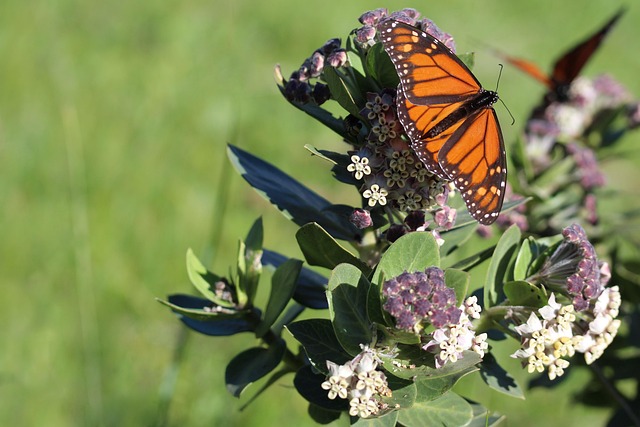
Milkweed, Monarchs & Butterfly Garden Tips
Jun
Few sights are as enjoyable as butterflies floating through a summer garden. Beyond their beauty, butterflies play an important role as pollinators, helping flowers, fruits, and vegetables thrive. Unfortunately, habitat loss and declining food sources have made life more challenging for many butterfly species, including the beloved Monarch.
The good news is that gardeners can make a real difference. By creating a butterfly-friendly landscape, you can provide food, shelter, and breeding habitat while enjoying a colorful, lively garden all season long.
Why Butterflies Matter
Butterflies help pollinate plants while serving as important indicators of a healthy environment. Gardens that attract butterflies often support bees, hummingbirds, and other beneficial wildlife as well.
Creating a butterfly-friendly landscape helps support local ecosystems while adding beauty and movement to your outdoor spaces.
Plant Milkweed for Monarch Butterflies
If you want to help Monarch butterflies, milkweed is essential.
Milkweed serves as the host plant for Monarch caterpillars. Adult Monarchs lay their eggs on milkweed, and the emerging caterpillars feed exclusively on its leaves.
Popular milkweed varieties include:
- Butterfly Weed
- Swamp Milkweed
- Common Milkweed
Without milkweed, Monarch butterflies cannot complete their life cycle.
Fill Your Garden with Nectar-Rich Flowers
Adult butterflies need nectar throughout the growing season.
Excellent butterfly-friendly flowers include:
- Purple Coneflower
- Bee Balm
- Black-Eyed Susan
- Joe Pye Weed
- Zinnias
- Verbena
- Salvia
- Asters
- Lantana
Planting a variety of flowers helps attract different butterfly species while providing continuous food sources.
Plan for Season-Long Blooms
Butterflies need nectar from spring through fall.
Choose plants that bloom at different times to keep pollinators fed throughout the season.
Spring Bloomers
- Columbine
- Phlox
- Lupine
Summer Bloomers
- Milkweed
- Bee Balm
- Coneflower
- Zinnias
Fall Bloomers
- Asters
- Goldenrod
- Sedum
A continuous supply of blooms helps support both local and migrating butterflies.
Provide Sunny Areas
Butterflies are cold-blooded and depend on sunshine to warm their bodies.
You can help by:
- Planting in sunny locations
- Adding flat stones for basking
- Creating sheltered spaces protected from strong winds
- Leaving open flight paths between plants
Sunny gardens often become favorite butterfly gathering spots.
Add a Butterfly Water Station
Butterflies need water and minerals, especially during hot summer weather.
Create a simple butterfly puddling station by:
- Filling a shallow dish with sand
- Keeping the sand moist
- Adding flat stones for landing
This easy addition can attract even more butterflies to your garden.
Don’t Be Too Tidy
Many butterflies and beneficial insects use stems, leaves, and garden debris for shelter.
Consider:
- Leaving seed heads standing
- Allowing a small naturalized area
- Delaying extensive fall cleanup
A slightly less manicured garden often provides valuable wildlife habitat.
Avoid Broad-Spectrum Pesticides
Butterflies and caterpillars are sensitive to many pesticides.
To create a safer environment:
- Monitor plants regularly
- Treat only when necessary
- Avoid spraying blooming plants
- Use targeted pest control methods whenever possible
Protecting caterpillars is just as important as protecting adult butterflies.
Butterfly Gardens Work in Small Spaces
You don’t need a large yard to support butterflies.
Many butterfly-friendly plants thrive in:
- Containers
- Raised beds
- Small borders
- Patio planters
Even a few flowering plants can provide valuable nectar and habitat.
Frequently Asked Questions
What is the best plant for Monarch butterflies?
Milkweed is the most important plant because it serves as the host plant for Monarch caterpillars.
What flowers attract butterflies?
Coneflowers, Bee Balm, Milkweed, Zinnias, Lantana, Verbena, Salvia, and Asters are all excellent choices.
Do butterflies need water?
Yes. Shallow water sources and puddling stations help butterflies stay hydrated and obtain important minerals.
Can I create a butterfly garden in containers?
Absolutely. Many nectar-rich flowers thrive in containers and attract butterflies throughout the season.
Why are native plants important?
Native plants provide food and habitat that local butterfly species have depended on for generations.
Visit Donaldson’s Greenhouse & Nursery
Ready to create a butterfly-friendly garden? Donaldson’s Greenhouse & Nursery offers a wonderful selection of milkweed, pollinator plants, flowering annuals, perennials, and gardening supplies to help you support Monarchs, butterflies, bees, and other beneficial pollinators.
Donaldson’s Greenhouse & Nursery
178 Airport Road
Hackettstown, NJ 07840
Phone: (908) 852-7314
Current Hours
Monday through Saturday: 8:00 AM – 6:00 PM
Sunday: 9:00 AM – 5:00 PM
Visit us today and let our knowledgeable team help you create a beautiful garden that supports butterflies and pollinators all season long.
