
Uncategorized
Plant a Pollinator Garden This Spring
Apr
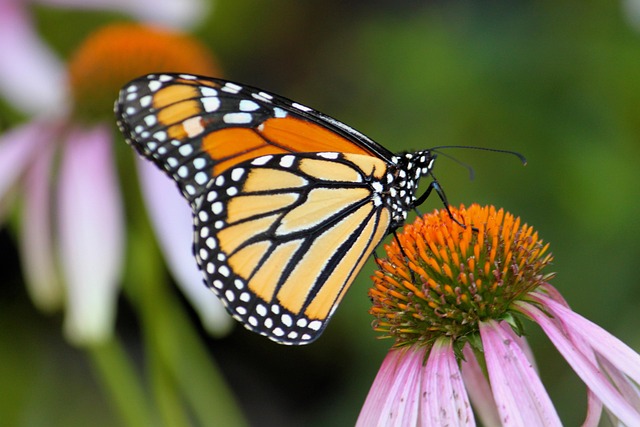
Spring is the perfect time to create a pollinator garden that brings your landscape to life while supporting bees, butterflies, and other beneficial insects. Whether you are starting from scratch or adding to an existing garden, planting with pollinators in mind is one of the most rewarding ways to garden.
At Donaldson’s Greenhouse & Nursery in Hackettstown, NJ, spring is when everything begins to buzz with activity, both in the garden and in nature.
What Is a Pollinator Garden?
A pollinator garden is designed with plants that provide nectar and pollen for pollinators. These gardens support the natural process that allows flowers, fruits, and vegetables to grow and reproduce.
By planting a mix of pollinator friendly plants, you create a space that attracts and sustains these important visitors throughout the growing season.
Why Plant in Early Spring?
Early spring planting gives your garden a strong start. Cooler temperatures and regular rainfall help plants establish roots before the heat of summer arrives. It is also when many pollinators begin to emerge and actively search for food.
Planting now ensures your garden is ready right when pollinators need it most.
Easy Plants That Attract Pollinators
If you are new to pollinator gardening, start with reliable plants that are known to perform well and attract activity:
- Coneflower
- Bee balm
- Black eyed Susan
- Milkweed
- Salvia
- Lavender
- Coreopsis
- Asters
Native plants are especially valuable in New Jersey because they are adapted to the local climate and provide the best support for native pollinators.
Simple Design Tips for Success
You do not need a large space or complex plan to create a pollinator garden. A few smart choices make a big difference:
- Choose a sunny location
Most pollinator plants thrive in full sun. - Plant in clusters
Grouping the same plants together makes them easier for pollinators to find. - Mix bloom times
Combine early, midseason, and late blooming plants to keep your garden active. - Add a water source
A shallow dish with stones provides a safe place for pollinators to drink. - Avoid pesticides
These can harm beneficial insects and reduce pollinator activity.
Keep Your Garden Blooming
To keep your pollinator garden thriving, deadhead flowers to encourage new blooms, water during dry spells, and allow some plants to go to seed later in the season to support wildlife.
A well planned garden will continue to grow more vibrant as the season progresses.
A Garden That Gives Back
Pollinator gardens do more than add beauty. They support local ecosystems, improve plant health, and bring movement and life to your outdoor space.
Even a small garden bed or a few containers can make a meaningful impact.
FAQs About Pollinator Gardens
Do I need a large yard to plant a pollinator garden?
No. Pollinator gardens can be created in small spaces, raised beds, or containers.
How soon will I see pollinators?
Often as soon as plants begin blooming, you will start to notice activity.
Are pollinator gardens difficult to maintain?
Most are low maintenance once established, especially when using native plants.
Can I mix pollinator plants with my existing landscape?
Yes. They blend easily into flower beds, borders, and container gardens.
Visit Donaldson’s Greenhouse & Nursery
Ready to start your pollinator garden this spring? Visit Donaldson’s Greenhouse & Nursery in Hackettstown, NJ for a wide selection of plants, expert advice, and everything you need to grow a thriving, pollinator friendly garden.
Donaldson’s Greenhouse & Nursery
178 Airport Road
Hackettstown, NJ
Current Hours:
Monday to Saturday: 9 AM to 5 PM
Sunday: 9 AM to 3 PM
Stop in and let us help you grow something beautiful that gives back all season long.
